- Home
- Turmeric & Herbal Processing
Botanical & tea · Dehydrators, grinders & cleanrooms
Solar for Turmeric & Herbal Processing in Cebu. Power dehydrators, grinders, and cleanrooms.
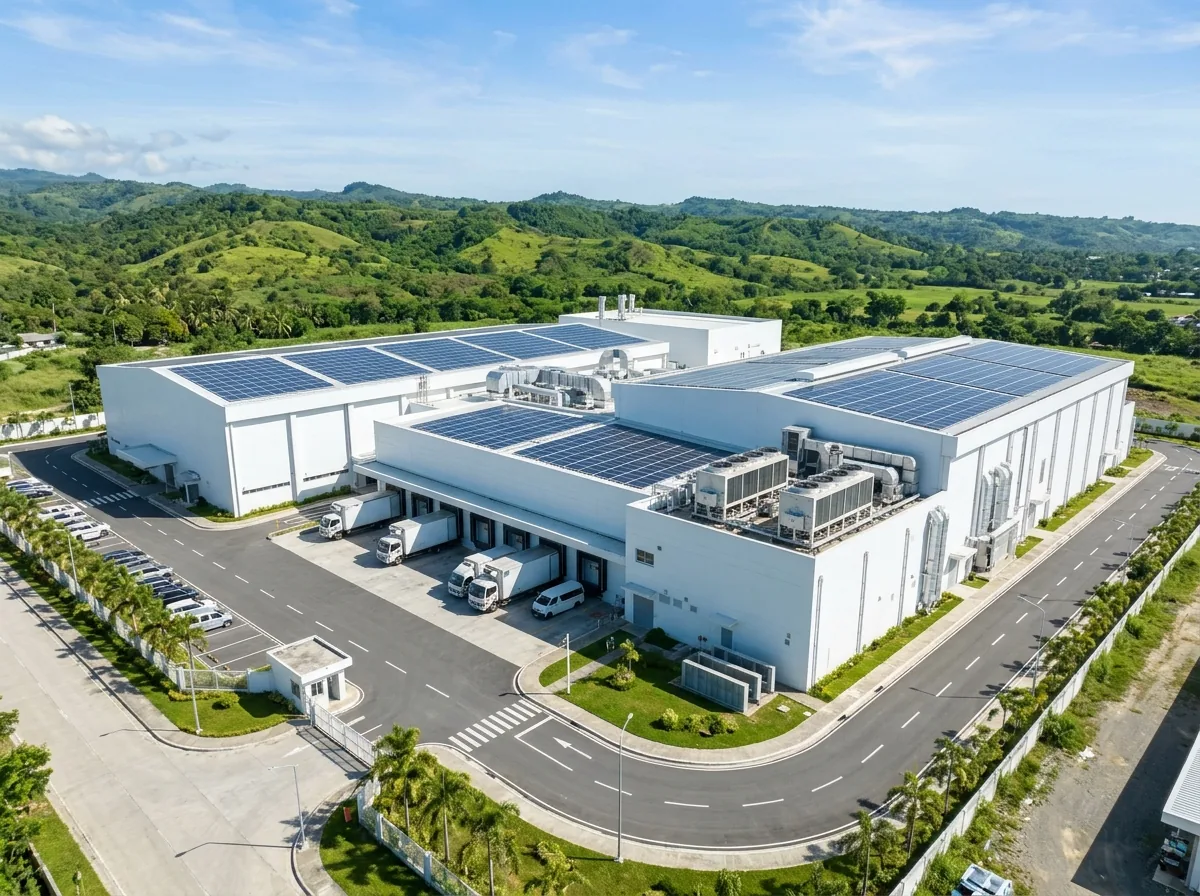
Turmeric brew processors, malunggay powder plants, ginger tea crystallizers, and herbal supplement bottlers across Carcar, Dalaguete, Talisay, Cebu City, and Mandaue draw relentless electric heat and dehumidification kWh on ~₱15–₱16/kWh power—reaching 3–5 yr ROI via commercial and hybrid solar.
- 6–250 kW+ artisan teas to GMP plants
- 3–5 yrs typical payback period
- Battery option for packing-room dehumidifiers
The energy squeeze
Why are electric cabinet dehydrators and cleanroom HVAC draining Cebu botanical margins?
Producing export-grade moringa leaf powder, crystallized turmeric-ginger brew, guyabano teas, and FDA-compliant herbal capsules across humid Visayan climates chains multi-hour thermal moisture extraction directly to fine air-conditioned packaging bays—driving relentless daytime and overnight utility charges that punish small wellness brands fiercely each month.
Inside an active herbal processing line between morning washdowns and late-afternoon packaging close, resistance heating and precision air conditioning carry heavy steady draw simultaneously: high-pressure bubble washers scrub earthy ginger and turmeric rhizomes clean before centrifugal slicers spin off water, multi-tray electric hot-air dehydrator cabinets hold uniform warm airflow cycles for hours preserving active curcumin color without sun-bleaching nutrients, high-speed stainless pin mills micronize crispy dried flakes into export mesh powders, and dehumidified positive-pressure cleanrooms keep rotary capsule fillers, pyramid tea-baggers, and aluminum pouch sealers running smoothly at safe low indoor humidity levels.
Meanwhile, sudden utility feeder brownouts halt dehumidifiers mid-encapsulation, turning hygroscopic herbal extracts sticky inside stainless hoppers immediately.
- Multi-rack electric cabinet dehydrators & low-temp botanical heat-pump dryers
- Rhizome bubble washers, mechanical shredders & stainless fine micronizer mills
- Positive-pressure FDA packaging cleanroom HVAC & industrial dehumidifiers
- Automated rotary capsule counters, pyramid tea-baggers & foil heat-sealers
- Ingredient stability storage coolers, QA moisture analyzers & dispatch offices
Solar engineering
How does solar cut thermal drying draw while keeping packaging cleanrooms bone-dry?
Botanical processors split power priorities for swift returns: high-load electric dehydrator ovens, rhizome shredders, and micronizers pull massive daytime generation from zero-export grid-tie solar, while isolated packaging dehumidifiers, HVAC air-locks, and QA stability cabinets stay safeguarded by LiFePO4 battery backup.
Shift drying schedules directly under noon sun
Staging heavy electric heat-pump dryers, crystallization kettles, and micro-grinders across peak midday sunlight lets more of the midday solar go straight into the dryers via commercial arrays—cutting variable kWh sharply.
Cleanroom humidity hold during outages
Wiring capsule-filling HVAC dehumidifiers, positive-pressure HEPA blowers, and vacuum powder hoppers onto dedicated LiFePO4 battery subpanels shields hygroscopic batches from humid tropical air infiltration mid-blackout.
Transparent packages for SME tea brands
Growing wellness brands in Cebu neighborhoods launch right off published 6–18 kW fixed hybrid kits (₱305,000–₱970,000) before stacking modular batteries as cleanroom footprint expands.
Capacity sizing
What solar capacity suits an artisan turmeric brew kitchen vs. a GMP extract plant?
CebuSolar inspects cabinet dehydrator heater ratings, cleanroom chiller compressors, and sanitary facility metal roofs thoroughly on-site prior to submitting capacity options. We pair boutique tea kitchens with fixed 6 kW to 18 kW packages while sizing full 250 kW+ GMP plants across Cebu.
| Plant Scale | Active Processing & Packaging Load | Suggested Solar Tier | Deployment & Pricing Model |
|---|---|---|---|
| Small turmeric-ginger brew cottage or herbal tea room | Bench slicer, 2 electric cabinet dryers, blender, pouch sealer, AC | 6 kW to 12 kW Hybrid (10–22 panels) | Fixed 6–12 kW packages (₱305,000–₱640,000 with battery) |
| Expanding FDA-certified moringa leaf & herbal capsule line | Stainless pulverizer, dehumidifier room AC, semi-auto capsule filler | 16 kW to 18 kW Hybrid (28–32 panels) | Fixed 16–18 kW packages (₱795,000–₱970,000) |
| Commercial dehydrated superfood & botanical tea bagger | 4–8 large industrial heat-pump dehydrators, HEPA cleanrooms, baggers | 30–80 kW Three-Phase + Hybrid Bank | Zero-export 3-phase dryer feed + cleanroom backup; custom quote |
| Regional herbal extract, essential-oil & nutraceutical hub | Spray dryers, rotary evaporators, vacuum distillation, cold rooms | 100–250 kW+ Three-Phase C&I | High-efficiency roof solar matching 24/7 facility load; custom quote |
Estimates only. Cleanroom electrical audits, dehumidifier startup profiling, and finalized itemized BOM prices follow an inspection. Actual savings depend on occupancy, size, location, and rates. Prices are subject to change without prior notice.
Cost and payback
What do herbal processing solar setups cost, and when do savings pay back?
Artisanal wellness brands choose transparent published fixed packages ranging from ₱305,000 up to ₱970,000 without hidden fees. Export botanical mills receive itemized commercial bills of materials slashing high daytime utility tariffs inside brisk 3 to 5 year payback windows province-wide.
Benchmarked against Visayan Electric’s October 2026 schedule of ₱15.30/kWh alongside rural Dalaguete/Carcar CEBECO I (~₱15.24/kWh September 2026) and MECO (~₱15.98/kWh), slashing continuous cabinet-dryer and HVAC dehumidification draw lowers cost per jar immediately (payback guide).
Projects specify Tier-1 620–630 W N-type bifacial modules (JinkoSolar, JA Solar, Trina Solar, LONGi, AIKO), Solis inverters, Dyness/Pylontech batteries, Schneider gear, and stainless steel mounts (C&I cost details).
- Lower electric utility bills for sunlit daytime dehydrator runs
- 1-year workmanship, 12-year inverter, and 30-year panel (at least 87% at yr 30) warranties
- Standard milestones: 40% order, 40% equipment delivery & mounting, 20% switch-on
- Metro Cebu service: we aim to reach you within 48 hours
- Electrical plans and datasheets for your quality and permit files
How it works
How does CebuSolar survey and build above GMP botanical rooms hygienically?
Operating directly out of Mclin Building, Corner T. Padilla St. and M.J. Cuenco Ave. in Cebu City, our field team coordinates exterior-only installation routing respecting closed FDA air-locks, sites sealed inverters safely outside washrooms, and transfers breakers on Sundays.
Non-intrusive facility audit
We inspect twelve-month electric billing curves, check sanitary metal roof framing without penetrating airtight ceiling panels, and map dry electrical corridor space neatly.
Cleanroom-isolated plans
We route inverter cabling along exterior utility walls into the main distribution panel, keeping work out of the packing rooms (mounting details).
Exterior-only install
Installers clamp brackets strictly from outer rooftops keeping the encapsulation rooms closed (installation steps), testing hybrid switches over Sunday breaks.
Telemetry & easy loan options
The Solis monitoring app shows daily output; owners often pay with bank financing preserving herbal inventory working capital.
Common Cebu herbal & turmeric processor solar questions
Quality-assurance leads and founders across Carcar, Dalaguete, Talisay, and Mandaue often ask whether cabinet dehydrators running overnight drain batteries excessively, how heat-pump dryers perform with solar, whether roof drilling leaks onto cleanroom ceilings, and how multi-phase systems scale upward.
Can a solar battery pack run high-wattage electric dehydrator ovens through the entire night?
Usually it is far more cost-effective to schedule high-watt heating cycles strictly across sunny 7 AM–5 PM hours on grid-tie solar while reserving LiFePO4 batteries strictly for low-draw cleanroom dehumidifiers, moisture monitors, and lighting overnight.
We farm turmeric in Dalaguete hills and process powders in Cebu City—where does solar pay faster?
Dehydrating and cleanroom packaging draw far higher concentrated continuous kW per square meter than open-field vegetable farming (vegetable irrigation reference)—often yielding brisk 3 to 5 year payback on processing hubs while farm wells tap direct solar pumping.
Does bolting solar panels overhead compromise airtight cleanroom sandwich panels below?
It shouldn’t. The mounting fixes to the exterior roof ribs or purlins with sealed fasteners, outside the cleanroom ceiling below; we check the roof and ceiling build during the survey (cleanroom reference).
Does fine herbal spice exhaust or ginger steam fog glass solar panels?
Exhaust cowls direct humid vapor safely away from string zones, while smooth tempered solar glass sheds Visayan rain easily and wipes spotless during occasional scheduled clean-water sprays (panel maintenance).
Get your personalized solar quote
Tell us about your place, pin it on the map and add a photo of your bill. Our team replies on Viber within one business day.
- 1. We size your system from your bill and map your roof by satellite.
- 2. You get your quote: panels, battery, monthly savings, payback and price.
- 3. Happy with it? We check your roof and wiring on site, then lock in one fixed price.