- Home
- Pharmaceuticals
Solar for pharmaceuticals · Cleanroom & cold-chain EPC
Solar for Pharmaceuticals in Cebu. Lower 24/7 HVAC bills, protect sterile cold storage.
Pharmaceutical plants, medical-device assemblers, and regional drug distribution hubs maintain strict 24/7 temperature and humidity tolerances across cleanrooms, HVAC chillers, and vaccine cold vaults under VECO, MECO, and CEBECO tariffs. CebuSolar engineers three-phase commercial solar and LiFePO4 backup systems for healthcare manufacturing.
- 50–500 kW+ 3-phase plant arrays
- 3–5 yrs typical payback period
- Cold-chain safe LiFePO4 battery options
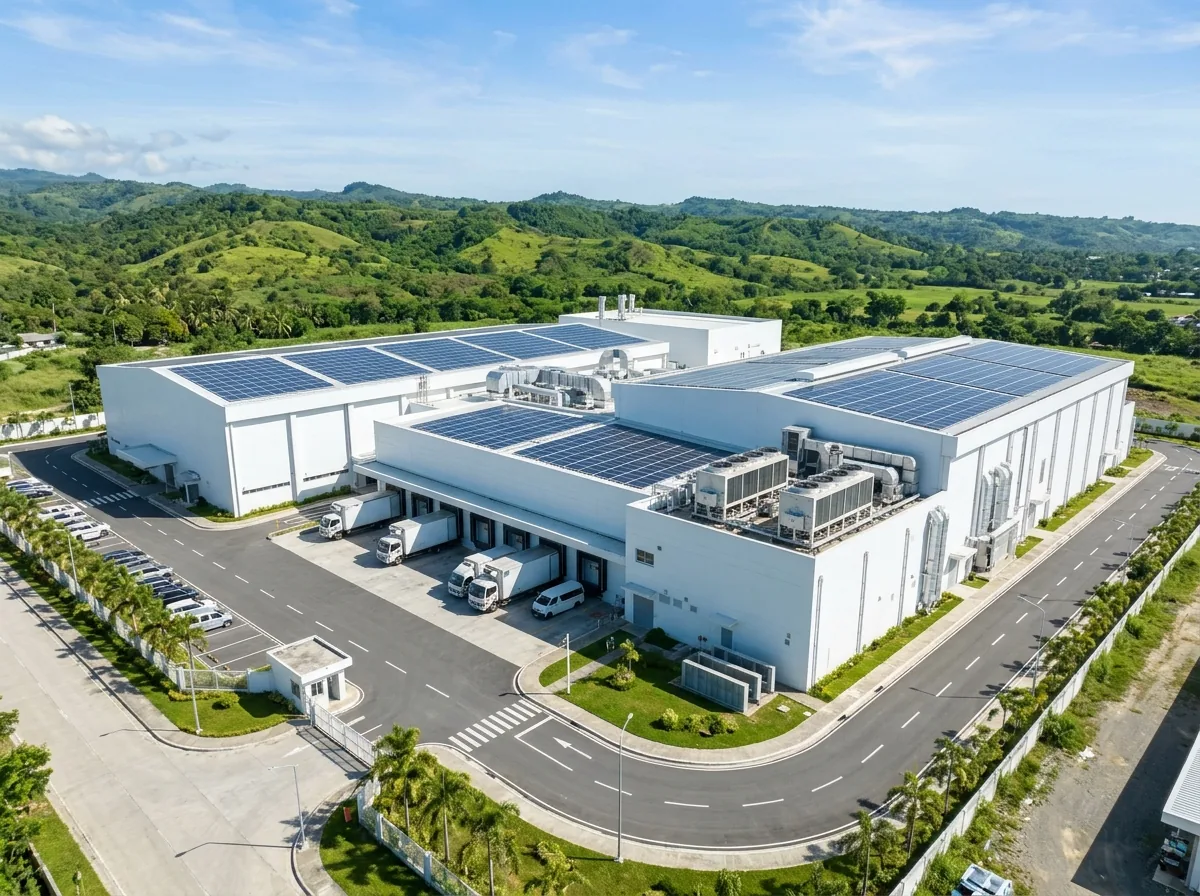
The problem
Why are electricity costs so demanding for Cebu pharmaceutical and medical facilities?
GMP cleanrooms and FDA-compliant pharma depots cannot shut down HVAC or refrigeration after business hours—running air-handling chillers, HEPA pressure blowers, purified-water loops, and 2°C–8°C cold rooms continuously. Facing Cebu rates near ₱15–₱16 per kWh, climate control consumes substantial monthly operating capital.
Whether compounding sterile liquids, assembling medical disposables inside Mactan MEPZ and Danao export zones, or operating regional medicine distribution warehouses in Mandaue, Cebu City, and Consolacion, environmental stability drives power load nonstop. Midday tropical sun pushes chiller condensers and roof ceiling loads highest precisely when local commercial rates apply at full strength.
At the same time, even brief feeder disturbances across VECO, MECO, or CEBECO lines threaten temperature-logging SCADA systems, lab instruments, cleanroom pressure interlocks, and refrigerated biologics vaults prior to standby diesel transfer. Pairing rooftop solar generation with optional LiFePO4 battery protection lowers daytime kWh draw while fortifying cold-chain reliability.
- GMP cleanroom air-handling chillers, desiccant dryers, and HEPA filtration
- Temperature-controlled 15°C–25°C pharma warehouse HVAC and 2°C–8°C cold vaults
- Purified water (WFI/RO) generation skids, autoclaves, and sterile packaging lines
- QC microbiology laboratories, stability chambers, and cold-chain SCADA alarms
- Zero-tolerance outage sensitivity across sterile production and vaccine stocks
How solar helps
How does solar power support Cebu pharma plants and medical-device hubs?
Constant daytime cleanroom cooling and warehouse HVAC absorb every solar kilowatt generated on the building roof, cutting utility bills while shading sterile roof slabs from midday thermal gain. CebuSolar specifies Tier-1 620–630 W N-type bifacial panels with Solis inverters, zero-export control, and LiFePO4 battery storage.
Three-phase grid-tied solar for chillers & cold vaults
Large pharmaceutical depots and medical assembly halls operating continuous chillers capture fastest financial return through grid-tied solar tied straight at the main low-voltage switchboard. Real-time zero-export sensors feed air handlers and cold-storage compressors directly all afternoon.
Hybrid LiFePO4 backup for labs, BMS & vaccine fridges
Even milliseconds of voltage sag can interrupt automated stability chambers, chromatography labs, temperature loggers, and 2°C–8°C vaccine refrigerators. Hybrid solar with Dyness or Pylontech LiFePO4 batteries holds critical laboratory and cold-vault circuits steady through outages.
Modular hybrid packages for distribution branches
Provincial medical depots, regional cold-chain hubs, and compounding pharmacies can deploy fixed 6–18 kW hybrid packages rapidly—pairing rooftop arrays and expandable 5–64 kWh lithium banks with existing branch electrical panels.
System sizing
What size solar array does a Cebu pharmaceutical or medical plant need?
Facility sizing reviews cleanroom HVAC tonnage, cold-vault compressor horsepower, BMS backup requirements, roof profile and structural loading, and twelve months of billing history. CebuSolar delivers fixed 6–18 kW hybrid kits for medical depots and custom 50–500 kW+ three-phase solar plants for manufacturing sites after an audit.
| Facility scale | Primary daytime loads | Suggested solar capacity | Configuration & pricing |
|---|---|---|---|
| Regional pharma depot, QC lab, or cold-chain branch | Vaccine refrigerators, warehouse split aircon, BMS loggers, lab benches | 6 kW to 18 kW Hybrid (10–32 panels, 6.2–19.84 kW solar) | Fixed packages: ₱305,000–₱970,000 (5–16 kWh battery, expandable 5–64 kWh) |
| Temperature-controlled medical logistics hub | Centralized warehouse cooling, cold rooms, dock air curtains, forklift chargers | 50–150 kW three-phase | Non-penetrating klip-lok rooftop grid-tied/hybrid; custom quote after site visit |
| Medical-device cleanroom assembly plant | Cleanroom AHUs, molding presses, purified-water skids, compressed air | 150–300 kW three-phase | Three-phase Solis plant with zero-export & genset sync; custom quote |
| Full-scale GMP pharmaceutical manufacturing plant | Multiple chillers, sterile HVAC loops, stability chambers, warehouse wing | 300–500 kW+ three-phase | Multi-inverter commercial plant + LiFePO4 lab backup; custom quote |
Estimates only. Cleanroom roof audit, structural validation, and one fixed itemized price follow a site survey. Actual savings depend on system size, electricity consumption, location, and utility rates. Prices are subject to change without prior notice.
Cost and payback
How much does pharma-facility solar cost in Cebu, and how fast is payback?
Three-phase manufacturing and cold-chain plants from 50 kW to 500 kW+ are custom-quoted at one fixed price after site inspection, while smaller 6–18 kW depot hybrid packages cost ₱305,000 to ₱970,000. Across October 2026 Cebu power tariffs near ₱15–₱16/kWh, typical payback takes 3 to 5 years.
Why do pharma facilities see steady 3 to 5 year returns? Because 24/7 temperature control never switches off on weekends or public holidays—ensuring solar output reduces utility draw continuously across every sunny day against VECO’s October 2026 rate of ₱15.30/kWh alongside MECO and CEBECO commercial schedules.
Quality-audited industries demand traceable Tier-1 components, so CebuSolar specifies 620–630 W N-type bifacial panels from JinkoSolar, JA Solar, Trina Solar, LONGi, and AIKO with Solis inverters, Dyness or Pylontech LiFePO4 batteries, Schneider Electric and Suntree breakers, and stainless steel fixings. Model smaller branch bills on our ROI calculator or view fixed tiers on our cost page.
- One fixed turnkey contract price after site survey, every component documented
- Clear milestone payments: 40% on order, 40% on delivery and mounting, 20% on switch-on
- 5-year installation workmanship, 12-year Solis inverter, and 30-year panel performance warranties (at least 87% output at year 30)
- Modular expansion on 6–18 kW depot packages: add 620 W panels at ₱12,000 each or stack 5 kWh (₱75,000), 10 kWh (₱140,000), or 16 kWh (₱160,000) batteries
- We assist with your LGU electrical permits and utility compliance paperwork
How it works
How does CebuSolar install solar without compromising GMP cleanroom integrity?
Our Cebu City team coordinates with QA and facilities staff to keep every mounting anchor non-invasive above sterile ceiling plenums and keeps work strictly exterior to controlled production zones. Brief electrical room tie-in happens inside a pre-validated maintenance shutdown to protect cleanroom pressures.
GMP roof & bill audit
We review 12 months of MECO, VECO, or CEBECO interval bills, verify standing-seam or concrete deck construction above cleanrooms, and inspect main switchgear and ATS panels.
Leak-free design & fixed quote
We engineer non-penetrating seam clamps or weighted concrete bases designed to protect the ceiling, assist with permit documentation, and present one fixed itemized quote.
QA-compliant installation
Crews observe strict external staging and facility safety protocols while production continues inside, timing breaker tie-in during an approved maintenance window.
Documentation & local care
Handover delivers full as-built electrical schematics backed by our Cebu warranty, stocked spare parts, and a Metro Cebu response target within 48 hours.
What do Cebu pharmaceutical engineers and QA directors ask before going solar?
Plant engineers, quality assurance leads, and logistics managers across Mactan MEPZ, Mandaue, and Cebu City often raise questions about non-penetrating roof mounting above sterile zones, UPS and standby generator interaction, 2°C–8°C cold-vault backup, electrical compliance documentation, and local permitting before project approval.
How do you protect roof waterproofing above cleanrooms and sterile storage halls?
Avoiding roof sheet penetrations above controlled spaces is essential. On standing-seam or klip-lok metal roofs, CebuSolar installs non-penetrating engineered seam clamps torqued to the roof rib with zero drilled holes, while on flat concrete decks we design weighted ballast frames or sealed perimeter anchors that protect waterproofing membranes.
Can a hybrid LiFePO4 bank keep vaccine vaults and stability chambers steady during brownouts?
Yes. Using a hybrid Solis system paired with Dyness or Pylontech LiFePO4 batteries, facilities isolate critical cold-room controls, temperature loggers, QC lab analyzers, and 2°C–8°C refrigerators onto dedicated backed-up circuits to help prevent thermal excursions during brief grid outages; your validated alarms and UPS stay in place.
How does solar coordinate with standby diesel generators and central facility UPS?
We connect three-phase solar arrays upstream of automatic transfer switches or install a dynamic PV-genset controller so inverters trip or modulate whenever utility feeds fail and standby diesel generators pick up facility chillers and cleanrooms.
Do you supply complete electrical drawings and serial logs for internal QA audits?
Yes. Every commercial handover includes single-line electrical diagrams, full component datasheets, serial number logs, commissioning test records, and manufacturer warranty certificates ready for facility engineering files.
Does CebuSolar assist with city LGU and utility zero-export permits?
Yes—we help with your permits by preparing single-line electrical diagrams, structural clamp specs, and Tier-1 datasheets required for LGU electrical offices, and VECO, MECO, or CEBECO zero-export compliance.
Get your personalized solar quote
Tell us about your place, pin it on the map and add a photo of your bill. Our team replies on Viber within one business day.
- 1. We size your system from your bill and map your roof by satellite.
- 2. You get your quote: panels, battery, monthly savings, payback and price.
- 3. Happy with it? We check your roof and wiring on site, then lock in one fixed price.