- Home
- Snack Food & Chips
Snack manufacturing · Dried mango, chips & snacks
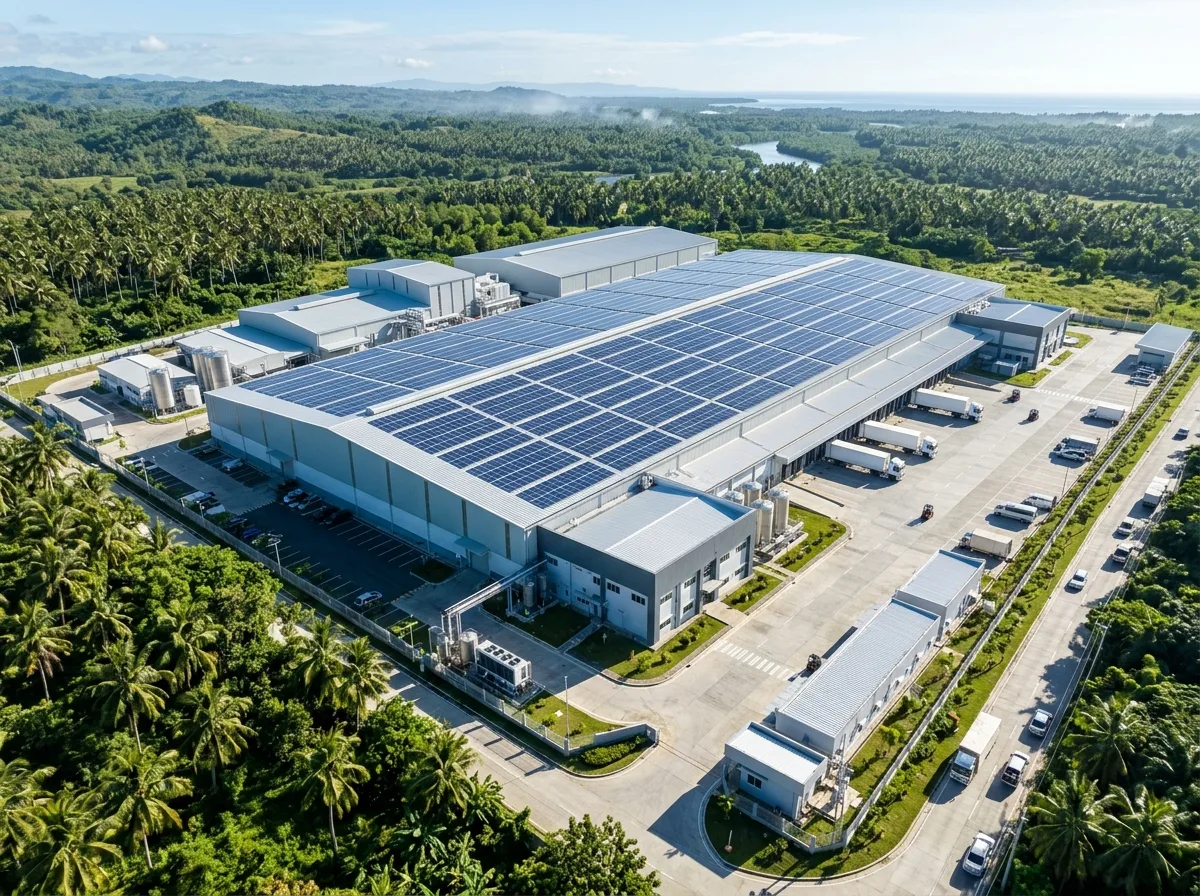
Solar for Snack Food Plants in Cebu. Power dehydrators, extrusion, and packaging halls.
Cebu’s iconic dried mango factories, crispy banana-chip lines, chicharon producers, and extruded corn-snack makers in Mandaue, Lapu-Lapu, Carcar, and Talisay run electric dehydrator blowers, cooling conveyors, and humidity-controlled packing floors all day—turning sunshine into 3–5 year ROI via commercial solar.
- 50–500 kW+ snack plant & depot scale
- 3–5 yrs typical payback period
- Zero-export clean daytime line offset
The problem
Why do dehydrator blowers & climate-controlled packing floors drive high bills in Cebu?
Between heat-pump fruit dehydrator fans recirculating warm air through dozens of mango tray racks, continuous industrial vegetable chip slicers, rotary seasoning drums, and tight dehumidified packaging rooms keeping snacks crisp against Cebu’s sea humidity, snack food manufacturers draw massive daytime ₱15–₱16/kWh loads continuously.
Processing plants from MEPZ export gates across Mactan (MECO ~₱15.98/kWh) back into Mandaue industrial hubs and southern Carcar snack corridors operate intensive day shifts finishing mango dehydrating, cooling fried chips, and flushing pillow-packs with nitrogen before evening dispatch. Peak cooling chiller tonnage keeping packaging air crisp directly coincides with noon Visayan sunlight.
Sudden feeder voltage drops stall continuous nitrogen form-fill-sealers mid-spool—wasting film rolls and inviting damp humidity inside exposed open-tray dried mango or crisp corn lots if dehumidifiers stay dark long.
- Multi-bay heat-pump & convection fruit/chip dehydrator fan rooms
- Heavy air-conditioned & dehumidified crispy snack packaging lines
- Automated rotary oil fryers, de-oiling centrifuges & flavor coating drums
- Twin-screw corn puff extruders, steam peelers & continuous rotary slicers
- Vertical nitrogen-flushed pillow baggers, foil sealers & chilled mango vaults
How solar helps
How does commercial solar boost margins for Cebu snack & dried fruit exporters?
Wide hygienic warehouse bays housing mango sorting, chip packaging, and finished carton stacking offer ideal clean sunny roof space—combining battery-free zero-export 3-phase grid-tied inverters absorbing daytime air handling alongside targeted hybrid battery storage safeguarding delicate rotary foil-pack PLC controllers across line glitches.
Daytime 3-phase dryer & chiller grid-tie
Export dried-fruit and snack factories running heavy daytime blowers and packaging HVAC under MECO, VECO, or CEBECO cut kilowatt bills sharply using zero-export 3-phase grid-tied arrays (leaner initial capex without massive battery vaults).
Hybrid PLC & nitrogen sealer protection
Voltage flickers spoil pre-heated pouch film tracks and interrupt delicate extrusion screws. Protecting packing PLC panels, lab moisture analyzers, and cold raw fruit closets on LiFePO4 battery subpanels bridges dips automatically.
Craft snack kitchens & retail 6–18 kW tiers
Smaller regional chicharon, otap, dried fruit, and chip makers build reliable turnkey savings immediately via fixed 6–18 kW hybrid packages (₱305,000–₱970,000) matched accurately against historical monthly kWh bills.
System sizing
What solar capacity suits an artisan Cebu snack kitchen vs. a mango export factory?
CebuSolar reviews twelve monthly utility invoices beside dehydrator chiller horsepower, packaging dehumidification tonnage, fryer exhaust vent positioning, and roof purlin steel strength—sizing between compact 6–18 kW regional chip makers and full 50–500 kW+ commercial dried fruit export plants.
| Snack Producer Scale | Representative Equipment Load | Suggested Solar Tier | Configuration & Pricing Model |
|---|---|---|---|
| Boutique chicharon, banana-chip kitchen & souvenir storefront | Bench vacuum sealers, small cabinet dryers, chilled display & pack AC | 6 kW to 18 kW Hybrid (10–32 panels, 6.2–19.84 kW) | Fixed packages: ₱305,000–₱970,000 (5–16 kWh battery option) |
| Mid-size regional extruded snacks & baked biscuit plant | Cooling tunnels, vertical pillow-pack lines, cleanroom dehumidifiers | 60–150 kW three-phase | Dry-warehouse rooftop array + line PLC battery backup; custom quote |
| Export dried mango & dehydrated tropical fruit factory | Multiple tray dehydrator heat pumps, slicing washers, ripeness chillers | 150–350 kW three-phase | Zero-export 3-phase Solis plant avoiding fryer vents; custom quote |
| Large enterprise snack food manufacturing campus in Cebu | Central boiler chillers, automated palletizers, multi-hall storage | 350–500 kW+ three-phase | Multi-shed rooftop commercial EPC at main switchgear; custom quote |
Estimates only. Fryer exhaust heat mapping, purlin assessment, and fixed itemized contract pricing follow an on-site visit. Actual savings depend on system size, operation hours, location, and local rates. Prices are subject to change without prior notice.
Cost and payback
What do snack food solar installations cost, and when does Cebu ROI finish?
Boutique snack shops and regional bakeries pick clear published tiers from ₱305,000 to ₱970,000—while full 50–500 kW+ export factories quote exact itemized figures post-audit. Cutting MECO (~₱15.98/kWh) and VECO (₱15.30/kWh) cooling bills typically recovers the cost in 3 to 5 years.
Benchmarked directly against Mactan (~₱15.98/kWh, September 2026) and Visayan Electric’s October 2026 rate of ₱15.30/kWh, food manufacturers gain strong protection across unpredictable mango harvest seasons: clean onsite power reduces variable per-box drying and packing costs right alongside ESG packaging sustainability goals. Battery-free daytime builds hold capital agile.
Every installation pairs Tier-1 620–630 W N-type bifacial glass (JinkoSolar, JA Solar, Trina Solar, LONGi, AIKO), Solis inverters, Schneider Electric and Suntree breakers, Dyness/Pylontech LiFePO4 batteries, and stainless hardware (check C&I costs).
- Fixed transparent turnkey quotation following plant & vent audit
- Balanced staged payments: 40% order, 40% delivery & mount, 20% switch-on
- 1-year workmanship, 12-year inverter & 30-year panel (at least 87% at yr 30) warranties
- The Solis monitoring app logs solar output for your sustainability reporting
- We assist with LGU electrical permits and utility zero-export paperwork
How it works
How does CebuSolar separate solar frames from cooking oil & mango vapors?
Deploying crews out of our Cebu City office at Mclin Building, Corner T. Padilla St. and M.J. Cuenco Ave., our system designers map prevailing winds so arrays skip sticky oil-fryer roof fans—mounting strictly onto clean packaging warehouses and finishing tie-ins on off-shift weekends.
Dehydrator & roof survey
We audit twelve monthly utility bills, inspect purlin steel above packing floors, and mark oil fryer chimney drift paths to protect panel glass.
Hygiene-safe layout & fixed BOM
We align clean walkways for simple morning rinse access (maintenance guide), compile LGU permit sheets, and deliver clear contract pricing.
Food-safe external erection
Crew fastens rails outside sterile mango sorting zones using EPDM waterproof washers (seal spec), completing brief MDP tie-in on scheduled breaks.
Cebu warranty & spares team
SolisCloud telemetry monitors production live while stocked parts in Cebu City support a 48-hour Metro Cebu response target under our 1-year workmanship warranty.
What do Cebu snack food & dried fruit plant managers ask before installing solar?
Factory engineers, food-safety supervisors, and owners in Mactan, Mandaue, and Carcar often ask how oily exhaust hood vents affect solar panel glass, whether nighttime dehydrator cycles can blend with batteries or grid power, whether small kitchens can start small, and how permitting proceeds.
Will cooking oil exhaust mist from chip fryers coat our rooftop solar arrays fast?
We intentionally cluster panels away from immediate oil-fryer roof stacks—prioritizing clean packaging bays, finished carton depots, and office halls while building clear maintenance access strips for occasional mild washdowns (cleaning guide).
Do export mango dehydrator tunnels running 24 hours daily benefit from solar installed only for daylight?
Yes—during daylight hours, 3-phase grid-tied solar carries peak continuous heat-pump and chiller draw straight off your utility meter, cutting the daytime share of your power bill without needing a battery.
Will packaging line film wrappers stay powered during sudden brief utility voltage drops?
Putting pouch controllers, date coders, weigh scales and lab equipment on a LiFePO4 battery circuit keeps them running through voltage drops and brownouts.
Does rainwater still keep roof panels watertight above strict FDA food-safety ceilings?
Yes. We use seam clamps on klip-lok or standing-seam roofs, and sealed stainless fixings elsewhere, to protect the ceilings of food rooms from leaks.
Get your personalized solar quote
Tell us about your place, pin it on the map and add a photo of your bill. Our team replies on Viber within one business day.
- 1. We size your system from your bill and map your roof by satellite.
- 2. You get your quote: panels, battery, monthly savings, payback and price.
- 3. Happy with it? We check your roof and wiring on site, then lock in one fixed price.