- Home
- Meat Processing & Cold Packing
Cold-chain industry · Cebu meat & packing plants
Solar for Meat Processing in Cebu. Slash cold-hall, blast freezer, and compressor bills.
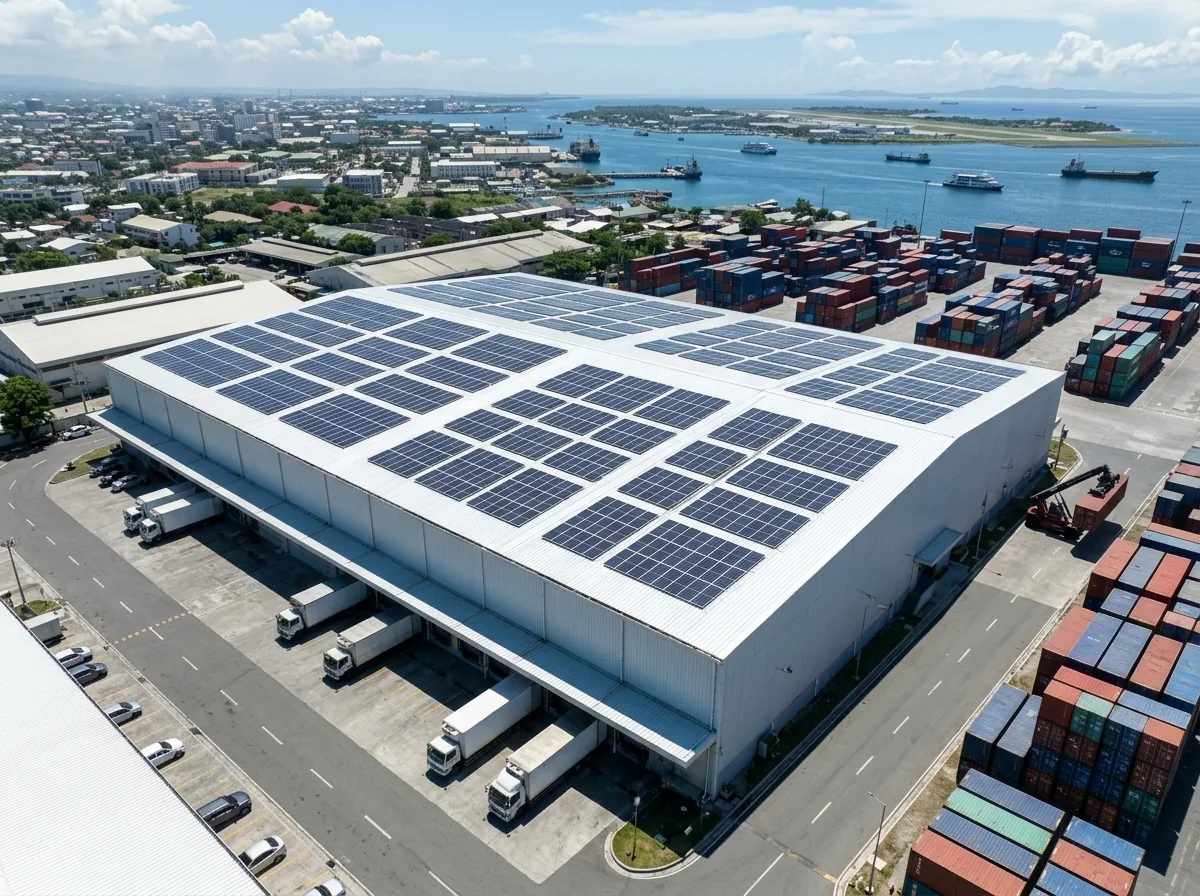
NMIS-regulated meat cutting plants, blast freezers, sausage and tocino processors, dressing plants, and frozen logistics depots across Mandaue, Cebu City, Talisay, and Barili run nonstop heavy refrigeration right through scorching tropical midday hours—earning rapid 3–5 year ROI via commercial solar.
- 50–500 kW+ cold-plant & blast scale
- 3–5 yrs typical payback period
- Daytime match cooling peaks at noon
The problem
Why do daytime cooling & freezing compressors crush margins at Cebu meat processors?
Maintaining 12°C deboning floors, -18°C finished storage chambers, and -35°C quick-blast freezing units against humid Cebu afternoon heat forces continuous high-amp condenser fans, industrial screw compressors, brine injectors, vacuum choppers, and air-curtained loading bays directly onto costly ₱15–₱16/kWh commercial utility meters.
Dressing facilities near Carcar and Barili alongside cold-chain food processing parks through Mandaue and North Reclamation face unforgiving thermodynamics: hot outside solar radiation hitting insulated warehouse roofs makes condensers run longest right between 9:30 AM and 4:00 PM while frequent dock door openings pull warm air inside chill rooms.
Even more crucial than daily tariff rates, unscheduled brownouts across rural or industrial feeders threaten rapid cold-room thaw temperature violations—raising food safety loss risks unless automatic backup diesels or protected emergency batteries engage.
- High-draw ammonia/Freon cold-storage & blast freezer compressor racks
- Chilled 12°C processing halls, deboning lines & ice-flake slurry makers
- Industrial vacuum bowl choppers, brine tumblers, patty molders & stuffers
- Thermoforming vacuum skin sealers, shrink dip tanks & air compressors
- Electric smokehouse convection blowers, QA labs & refrigerated dispatch docks
How solar helps
How does solar pair with insulated cold roofs and standby gensets in Cebu?
Meat plants combine natural solar synergy with strict structural and power constraints: arrays shield exposed steel roof cladding from sun glare slightly while feeding peak noon refrigeration draw straight off zero-export 3-phase inverters—paired alongside existing plant ATS diesel gensets protecting chilled inventory.
Daytime compressor & blast grid-tied EPC
Multi-chamber cold packers holding automated standby diesel backup generators deploy zero-export 3-phase grid-tied solar—trimming initial capital cost while shaving peak afternoon refrigeration kVA directly off VECO or CEBECO bills.
Seam clamping above foam-insulated panels
Insulated freezer roof panels shouldn’t be drilled at random. Where the roof profile allows, we use seam clamps that don’t go through the panel; otherwise we fix to the structural purlins with sealed fasteners, to protect the vapor barrier.
Hybrid QA, scale & cold-office backup
Protect computerized temperature data-loggers, digital weigh-price labelers, office servers, and small butcher prep chillers through brownouts with fixed 6–18 kW LiFePO4 packages expandable up to 64 kWh (view packages).
System sizing
What solar capacity suits a Cebu meat packer vs. a cold-chain slaughterhouse?
Site surveys inspect twelve months of commercial electric billing alongside blast room horsepower ratings, insulated sandwich-panel roof ribs, standby ATS interlock panels, and substation headroom—ranging from 6–18 kW commercial cold shops through heavy 50–500 kW+ refrigerated processing plants across Cebu.
| Meat Plant Scale | Representative Equipment Load | Suggested Solar Tier | Configuration & Pricing Model |
|---|---|---|---|
| Artisan butcher cold-cut kitchen, deli packer & frozen depot | Walk-in chiller boxes, vacuum pack sealers, band saws, retail freezer cases | 6 kW to 18 kW Hybrid (10–32 panels, 6.2–19.84 kW) | Fixed packages: ₱305,000–₱970,000 (5–16 kWh battery option) |
| Mid-size sausage, longganisa & frozen retail processing plant | Vacuum tumblers, blast chill room, chilled cutting floor, ice makers | 60–150 kW three-phase | Non-penetrating seam solar + ATS interlock + office backup; custom quote |
| Large NMIS meat cutting house & frozen distribution cold hub | Multiple low-temp racks, brine injectors, plate freezers, cold bays | 150–350 kW three-phase | Zero-export 3-phase Solis EPC across warehouse bays; custom quote |
| Major poultry dressing / integrated meat cold campus | Automated scalding/chilling spin chillers, multi-ton blast tunnels | 350–500 kW+ three-phase | Full multi-building commercial EPC tied into main MDP; custom quote |
Estimates only. Compressor inrush profile checks, seam-rib roof inspections, and locked itemized contracts follow an on-site audit. Actual savings depend on system size, usage schedule, location, and rates. Prices are subject to change without prior notice.
Cost and payback
How much does cold-chain meat plant solar cost, and when does Cebu ROI finish?
Independent butcher kitchens and cold depots choose fixed packages from ₱305,000 up to ₱970,000—whereas full 50–500 kW+ plants quote itemized after site surveys. Facing non-stop 24/7 cooling loads billed at ₱15.30/kWh VECO and CEBECO commercial schedules, meat processors typically recover the cost in 3 to 5 years.
Benchmarked against Visayan Electric’s October 2026 tariff of ₱15.30/kWh and provincial co-ops like CEBECO I in Carcar and Barili, cold rooms operate every single afternoon including Sundays—so solar output is used seven days a week. Keeping the existing backup generators for blackouts, instead of buying very large batteries, keeps the payback short.
Every installation pairs Tier-1 620–630 W N-type bifacial modules (JinkoSolar, JA Solar, Trina Solar, LONGi, AIKO), Solis inverters, Schneider Electric and Suntree breakers, Dyness/Pylontech LiFePO4 batteries where specified, and stainless steel hardware (view C&I pricing).
- Transparent fixed engineering contract pricing delivered after cold-plant audit
- Clear 40% order · 40% delivery & mounting · 20% switch-on staged payments
- 1-year workmanship, 12-year inverter, and 30-year panel (at least 87% at yr 30) warranties
- Mounting chosen to protect insulated roof panels
- We assist with municipal LGU electrical permits and utility zero-export paperwork
How it works
How does CebuSolar install over insulated freezer halls without downtime?
Deploying our team straight from our Cebu City office at Mclin Building, Corner T. Padilla St. and M.J. Cuenco Ave., our crews follow your plant’s food-safety rules, working outside the processing halls and timing quick switchboard commissioning so cold chambers stay safely chilled.
Freezer roof & bill audit
We analyze twelve monthly utility bills, confirm insulated panel seam profiles safely without core breaches, and inspect cold-room compressor busbars.
Insulated clamping & fixed BOM
We specify seam clamps or purlin fixings that protect insulated roof panels (EPC quality guide), compile LGU permits, and deliver fixed contracts.
Sanitary-safe outdoor install
Crew fastens rails outside refrigerated processing walls without disturbing daily meat shifts—handling quick MDP breaker tie-in over a brief planned pause.
Rapid Cebu aftercare support
SolisCloud telemetry monitors array curves backed locally by stocked Metro Cebu spare units under our 1-year workmanship warranty.
What do Cebu meat-packing plant directors ask before approving rooftop solar?
Food plant managers, refrigeration chief engineers, and quality assurance leads across Mandaue, Carcar, and Talisay often ask how insulated freezer roofs mount panels without moisture condensation leaks, whether standby diesel ATS gensets tie safely alongside commercial inverters, and how Sunday full-load absorption speeds ROI.
Will mounting panels above cold rooms puncture insulated polyurethane ceiling decks?
Not if it’s done right. Many cold-storage roofs use standing-seam or klip-lok sheets that take seam clamps without drilling through the insulation; where they don’t, we fix to the purlins with sealed fasteners (mounting guide).
How does solar coordinate safely with our plant’s automated standby refrigeration generator?
Three-phase commercial grid-tied inverters automatically isolate from utility voltage upon grid drops—allowing existing ATS backup diesel engines to pick up cold compressors safely without reverse-power conflicts.
Can solar lower condenser power even further just by shading metal cold-storage roofs?
Somewhat. Panels shade the roof from the noon sun, which can reduce heat reaching the docks and attic spaces below, while the array supplies the compressors.
What happens during weekend slowdowns when meat slicing stops inside our Cebu plant?
Unlike dry assembly warehouses shutting completely on Sundays, walk-in -18°C freezers and 12°C rooms continue cooling 365 days a year—consuming weekday AND Sunday midday solar kilowatts for reliable 3–5 year ROI (ROI calculator).
Does CebuSolar help with city LGU permits and warranty support?
Yes—we furnish electrical plans for your LGU permit, and in Metro Cebu we aim to reach you within 48 hours; review full warranty terms on our Warranty page and Solar FAQ.
Get your personalized solar quote
Tell us about your place, pin it on the map and add a photo of your bill. Our team replies on Viber within one business day.
- 1. We size your system from your bill and map your roof by satellite.
- 2. You get your quote: panels, battery, monthly savings, payback and price.
- 3. Happy with it? We check your roof and wiring on site, then lock in one fixed price.