- Home
- Jewelry & Fashion Workshops
Solar for jewelry export · Lapu-Lapu & Mandaue
Solar for Jewelry & Accessories in Cebu. Power workshops, plating baths, and showrooms silently.
Cebu’s world-renowned fashion jewelry, shell-craft, resin casting, electroplating, and stone-polishing exporters in Mactan, Mandaue, and Cebu City run nonstop daytime buffers, dust extractors, induction melters, and cool craft floors—cutting MECO and VECO bills via 6–18 kW hybrid and commercial solar.
- 6–18 kW+ studio & workshop range
- 3–5 yrs typical payback period
- Auto-switch hybrid brownout switchover
The problem
Why are electricity costs squeezing jewelry & accessory exporters in Cebu?
Between high-speed grinding dust collectors, tumbling barrels running eight hours daily, DC electroplating rectifiers, curing lamps, laser engravers, and climate-controlled quality control and buyer showrooms, creative jewelry workshops pay heavy daytime bills across Mactan Island MECO and mainland VECO zones without steady relief.
Lapu-Lapu City’s shell-inlay ateliers, brass and pewter casting studios in Basak and Agus, resin accessory fabricators along Mandaue side streets, and fine jewelry counters in Cebu City share an intense daytime energy curve peaking from 8:00 AM right through 5:00 PM packing deadlines. Paying MECO rates around ~₱15.98/kWh (September 2026) or VECO tariffs of ₱15.30/kWh (October 2026) turns summer workstation aircon and dust collection into relentless monthly overhead.
Compounding tariff pressure, unannounced Mactan line flickers interrupt electroplating bath timing—spotting uneven copper or gold finishes mid-batch—and force air-conditioned export showrooms onto smelly diesel backup while overseas merchandise buyers inspect sample lines.
- Rotational shell tumbling drums, diamond lap grinders & wet polishing wheels
- Precision DC electroplating baths, ultrasonic jewelry cleaners & UV resin curing ovens
- Continuous workshop dust extractors, fume hoods & micro-sandblasting compressors
- Laser marking systems, 3D wax printing setups & humidity-controlled pearl rooms
- Air-conditioned sample showrooms, design offices & buyer inspection lighting tracks
How solar helps
Which solar system design fits small studios vs. export accessory factories in Cebu?
Workshops occupy diverse footprints ranging from family-compound concrete ateliers running ten skilled crafters right up to multi-bay MEPZ export assembly halls housing plating lines and design showrooms—matching inverter topology precisely protects electroplating continuity, slashes daylight utility draws, and fits rooftop reality.
Hybrid LiFePO4 backup for ateliers & showrooms
Smaller Mactan, Talamban, and Mandaue craft compounds protect active ultrasonic baths, electroplating rectifiers, 3D wax printers, and glass buyer showrooms using 6–18 kW hybrid systems switching over silently automatically whenever local feeders trip.
Commercial 3-phase grid-tied plant offset
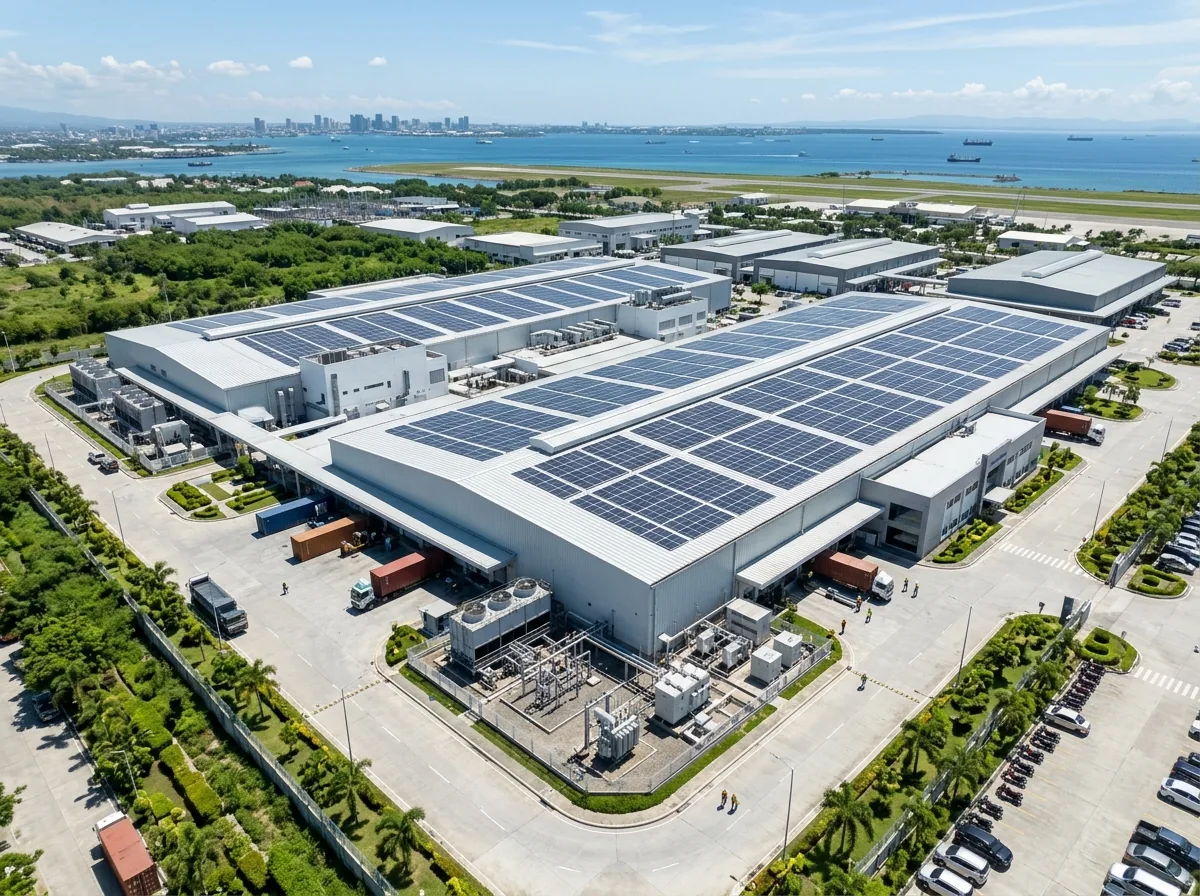
Larger multi-shed jewelry and fashion accessory exporters running high daytime compressed air, dust scrubbers, and assembly-hall chiller loops capture swift ROI via battery-free commercial grid-tied solar—trimming upfront capex while blocking export onto meters.
Modular capacity growth & showroom polish
Expand capacity alongside export order growth by stacking extra 5–16 kWh Dyness or Pylontech LiFePO4 modules up to 64 kWh or adding extra 620 W panels (packages & add-ons)—paired with stainless steel coastal hardware built for Mactan sea breezes.
System sizing
What solar size matches your Cebu craft studio or fashion accessory plant?
CebuSolar reviews twelve monthly utility invoices alongside bench equipment amp draws—measuring compressed air duty cycles, casting furnace startups, showroom cooling heat gain, and salt wind exposure around Lapu-Lapu—spanning published fixed hybrid kits through custom 50–500 kW+ commercial industrial installations.
| Workshop Scale | Representative Equipment Load | Suggested Solar Tier | Architecture & Price Structure |
|---|---|---|---|
| Boutique atelier, stone cutter & air-conditioned sample room | Tumbling drums, ultrasonic baths, bench grinders, split aircon | 6 kW to 10 kW Hybrid (10–16 panels, 6.2–10.0 kW solar) | Fixed packages: ₱305,000–₱520,000 (with 5–16 kWh LiFePO4) |
| Mid-size fashion jewelry & resin export compound | Resin curing racks, electroplating tanks, dust blowers, office suite | 12 kW to 18 kW Hybrid (22–32 panels, 13.64–19.84 kW solar) | Fixed packages: ₱615,000–₱970,000 (expandable up to 64 kWh) |
| Large multi-line shellcraft & accessory assembly hall | Plating lines, compressor room, laser workstations, showroom HVAC | 50–150 kW three-phase | Commercial 3-phase Solis EPC + optional lab backup; custom quote |
| Export jewelry manufacturing campus (MEPZ / Mandaue) | Central plant chillers, casting bays, finishing lines, logistics dock | 150–500 kW+ three-phase | Full industrial zero-export array at main switchgear; custom quote |
Estimates only. Every workshop receives exact load verification and fixed itemized quoting following our audit. Actual savings depend on system size, usage schedule, location, and utility rates. Prices are subject to change without prior notice.
Cost and payback
How much do workshop solar installations cost, and how fast do Cebu studios recover capital?
Home and small-studio hybrid systems stay clearly priced between ₱305,000 and ₱970,000—while larger 50–500 kW+ commercial arrays quote itemized after audit. Offsetting steep MECO (~₱15.98/kWh, September 2026) and VECO (₱15.30/kWh, October 2026) bills produces realistic 3 to 5 year payback comfortably.
Benchmarked directly against Mactan Electric schedules in Lapu-Lapu and Visayan Electric tariffs of ₱15.30/kWh in October 2026, jewelry workshops recover equipment outlay via consistent 8-to-5 shift utilization—especially where air-conditioned QA rooms and resin/buffing ventilation run nonstop under blazing sun. Once paid back within 3 to 5 years, installed modules retain decades of productive daytime bill relief.
Every build uses verified Tier-1 620–630 W N-type bifacial modules from JinkoSolar, JA Solar, Trina Solar, LONGi, and AIKO alongside Solis inverters, Dyness or Pylontech storage, and Schneider protection. Run preliminary bill estimates on our ROI calculator or explore modular budgeting inside our financing guide.
- Transparent fixed peso proposal delivered after studio & electrical audit
- Clear staged payments: 40% order, 40% delivery & mounting, 20% switch-on
- 1-year workmanship, 12-year Solis inverter & 30-year panel warranties (at least 87% at yr 30)
- Simple future add-ons: ₱12,000 extra 620 W panels; ₱75,000 (5 kWh) to ₱160,000 (16 kWh) batteries
- We assist with LGU electrical permits and MECO or VECO zero-export paperwork
How it works
How does CebuSolar survey and wire an active Cebu craft workshop?
Dispatching straight from our Cebu City office at Mclin Building, Corner T. Padilla St. and M.J. Cuenco Ave., our system designers map shaded roof corridors around resin exhaust ducts, lock plating backup circuits into tidy enclosed boxes safely away from dust, and commission without halting sample production.
Bench load & roof survey
We inspect twelve months of MECO or VECO utility invoices, verify metal roof thickness, and trace critical circuits powering plating baths and sample rooms.
Fixed design & permit help
We size clean array strings avoiding dusty vent stacks, specify coastal stainless hardware for Mactan sites, help with permits, and lock pricing upfront.
Zero-mess studio installation
Crews finish rails, armored DC conduit, and sealed breaker rooms without dust fouling worktables inside crafting areas.
Local Cebu service backing
SolisCloud telemetry monitors production live alongside our 1-year workmanship warranty, stocked Cebu spares, and a 48-hour Metro Cebu response target.
What do Cebu jewelry & accessory workshop owners ask before buying solar?
Atelier owners, casting foundry supervisors, and Mactan export showroom managers commonly ask how enclosed inverters tolerate polishing/shell grit dust, whether sudden outages ruin timed electroplating dips silently, whether residential-compound shops stay supported, and how buyer audits treat onsite solar generation.
Will fine shell dust or metal buffing grit damage wall-mounted inverters inside my workshop?
Our system designers place Solis inverters and Dyness/Pylontech cabinets along ventilated shaded walls or utility alcoves partitioned clear of wet plating vapors and grinding dust collectors, maximizing equipment life.
Can a hybrid system keep electroplating tanks and curing UV stations steady through Mactan brownouts?
Yes—routing sensitive electroplating baths, laser cutters, CAD desktops, and buyer showroom lights onto a hybrid inverter backup bus keeps equipment calm across outages with automatic switchover.
What if our jewelry studio sits attached right beside our family residence in Lapu-Lapu or Cebu City?
Compound properties combining daytime workshop benches alongside evening home air conditioning make good use of our fixed 10–18 kW hybrid packages serving benches by morning and family cooling by night.
How do coastal Mactan buildings avoid bracket rust along roofs above work rooms?
Marine exposure requires anodized aluminum rail extrusions bolted strictly via stainless fasteners and EPDM compression roof gaskets avoiding rust seepage (coastal mounting guide).
Does CebuSolar help with city LGU electrical permits?
Yes—we assist with permits by furnishing schematics, single-line diagrams, and Tier-1 spec documentation needed for LGU clearances and zero-export MECO/VECO review; inspect details on our Solar FAQ.
Get your personalized solar quote
Tell us about your place, pin it on the map and add a photo of your bill. Our team replies on Viber within one business day.
- 1. We size your system from your bill and map your roof by satellite.
- 2. You get your quote: panels, battery, monthly savings, payback and price.
- 3. Happy with it? We check your roof and wiring on site, then lock in one fixed price.