- Home
- Glass & Mirror Fabrication
Architectural glazing · CNC cutting & tempering bays
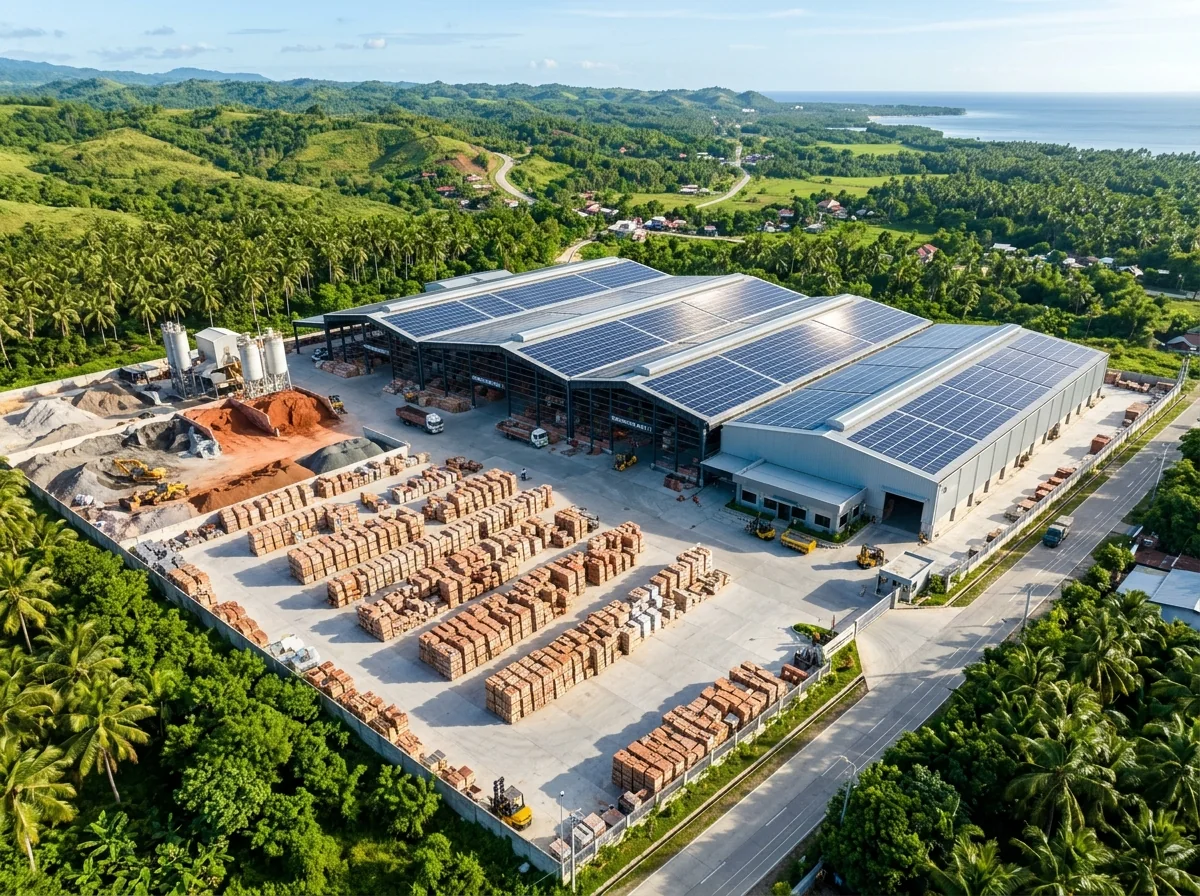
Solar for Glass & Mirror Fabrication in Cebu. Power bevelers, waterjets, and chillers.
Architectural glass fabricators, tempered storefront suppliers, shower-enclosure workshops, and mirror beveling plants across Cebu City, Mandaue, Talisay, and Consolacion pull intense daytime 3-phase amperage under ~₱15–₱16/kWh rates—reaching 3–5 yr ROI via commercial and hybrid solar.
- 8–300 kW+ mirror shops to tempering hubs
- 3–5 yrs typical payback period
- Battery backup for CNC & quench controls
The energy squeeze
Why do glass edging lines and tempering blowers drive high Cebu shop bills?
Fabricating modern high-rise curtain walls around IT Park, chamfered decorative mirrors, and laminated acoustic panels requires relentless wet diamond tooling, closed-loop cooling pumps, and continuous abrasive air blasting—converting steep afternoon VECO grid tariffs directly into heavy monthly factory overhead across glass shops.
Inside architectural glazing plants between 8:00 AM and 5:30 PM, power flows simultaneously across multiple heavy precision stations: multi-spindle straight-line edgers and double beveling tables grind float glass edges under constant clean-water cooling jets, CNC bridge routers and abrasive waterjets cut intricate notch profiles, rotary wash-and-air-knife drying tunnels scrub panes crystal clean before silvering or PVB lamination, and sandblasting screw compressors run continuously alongside massive tempering-furnace quench blowers and autoclave heaters. When sudden daytime utility sags occur mid-cut or mid-quench, shattered heat-soaked batches cost far more than utility charges alone.
Meanwhile, clear unshaded fabrication bay roofs capture blistering midday heat all afternoon with zero solar generation helping cut meter spin.
- CNC glass cutting bridge tables, diamond bevelers & straight-line double edgers
- High-CFM horizontal glass tempering furnace quench fans & heating banks
- Laminated PVB autoclave ovens, UV bonding rigs & flat wash-dryer tunnels
- Rotary screw air compressors for sandblasting, frost etching & vacuum lifters
- Chilled closed-loop diamond-coolant water systems & showroom air-conditioning
Engineered solution
How do commercial and hybrid arrays power fabrication bays without mid-cut scrap?
Glazing processors combine dual solar protections across factory switchboards: lean three-phase commercial inverters feed continuous daytime motors, compressors, and high-CFM quench blowers directly while compact wall-mounted LiFePO4 battery subpanels guard sensitive CNC controllers, water-chiller relays, and emergency rollers nonstop.
Daytime compressor & edger offset
Connecting Solis commercial grid-tie solar directly to main plant switchgear supplies daytime kWh straight into sandblasting compressors, wet grinding motors, and air-conditioned assembly bays right across bright afternoon peaks.
CNC controller backup
A brief feeder drop can spoil a tempering cycle if the quench rollers stop. Putting servo controls, PLCs and quench drives on a hybrid battery circuit helps; it switches over automatically. Equipment that can’t tolerate any interruption should also keep its own UPS.
Moisture-isolated switchgear design
To keep grinding mist away from the electronics, the Solis inverters go in dry office rooms alongside corrosion-resistant stainless steel aluminum mounting hardware on top roofs.
System sizing
What solar capacity fits an architectural bevel shop vs. a glass tempering plant?
CebuSolar reviews actual three-phase utility transformer load recordings alongside interior overhead gantry clearance and steel roof spans carefully prior to quoting—matching capacity curves neatly from compact 8–18 kW glass storefront shops up through expansive 300 kW+ architectural tempering plants across Cebu.
| Fabrication Scale | Representative Glazing Load | Suggested Solar Tier | Deployment & Pricing Model |
|---|---|---|---|
| Mirror beveling workshop or aluminum storefront showroom | Single straight edger, hand drill rigs, sandblast pot, showroom split AC | 8 kW to 18 kW Hybrid (14–32 panels) | Fixed 8–18 kW packages (₱445,000–₱970,000) |
| CNC cutting & laminated glass fabricator | Bridge cutting table, double edger, glass washer/dryer, autoclave, AC | 30–80 kW Three-Phase Grid-Tie | Zero-export 3-phase MDP tie-in + CNC hybrid bank; custom quote |
| Single-furnace architectural tempering & IGU line | Tempering oven & quench blowers, screw compressors, CNC waterjet, cranes | 100–200 kW Three-Phase C&I | Full roof solar cutting heavy quench electricity; custom quote |
| Regional architectural glass complex & double-glazing hub | Multi-furnace tempering lines, coating chambers, chillers, AC assembly floors | 200–300 kW+ Three-Phase C&I | Multi-shed array matching base demand; custom quote |
Estimates only. Clamp-meter transformer logs, crane clearance surveys, and itemized BOM quotes follow a free plant walk. Actual savings depend on occupancy, size, location, and rates. Prices are subject to change without prior notice.
Cost and payback
What do glass fabrication solar builds cost, and how quickly do bills pay back?
Aluminum and decorative mirror storefronts choose crystal-clear published fixed packages starting from ₱305,000 up to ₱970,000—while multi-line architectural tempering plants lock transparent C&I engineering proposals trimming steep ~₱15–₱16/kWh utility schedules inside brisk 3 to 5 year payback windows across Cebu.
Benchmarked against Visayan Electric’s October 2026 schedule of ₱15.30/kWh, Mactan (~₱15.98/kWh), and provincial CEBECO rates (~₱15.08–₱15.91/kWh in September 2026), slicing daytime beveler and furnace-fan kWh protects contractor margins (manufacturing ROI analysis).
All projects install Tier-1 620–630 W N-type bifacial modules (JinkoSolar, JA Solar, Trina Solar, LONGi, AIKO), Solis inverters, Dyness/Pylontech LiFePO4 packs, Schneider breakers, and stainless steel mounts (C&I cost overview).
- Lower electric utility charges for 8 AM–5 PM glazing shifts
- 1-year workmanship, 12-year inverter, and 30-year panel (at least 87% at yr 30) warranties
- Transparent progress payments: 40% order, 40% equipment delivery & mounting, 20% switch-on
- Metro Cebu service: we aim to reach you within 48 hours
- Electrical plans and help with the LGU permit and utility paperwork
How it works
How does CebuSolar build above precision CNC glazing floors safely?
Operating out of Mclin Building, Corner T. Padilla St. and M.J. Cuenco Ave. in Cebu City, our team verifies truss load limits clear of heavy overhead bridge hoists free, routes moisture-tight electrical conduits above wet wash bays, and finishes breaker coupling on Sundays.
Load & hoist survey
We analyze 12 months of electric bills, inspect purlin capacities over wet diamond bays, and separate CNC/tempering emergency drive circuits onto hybrid subpanels.
Moisture-sealed conduit layout
Our schematics route gasketed DC strings outside wet glass cooling mist into cool ventilated electrical rooms (storm-grade hardware spec).
Low-vibration overhead mounting
Installers clamp aluminum framing from exterior roofs without jarring delicate shop laser calibration benches below (installation steps), commissioning live on Sunday.
Cloud monitoring & local support
SolisCloud tracks clear kWh yield alongside local aftercare (we aim to reach Metro Cebu sites within 48 hours) and optional bank financing.
Common Cebu glass & mirror fabricator solar questions
Glazing shop owners and plant engineers across Cebu City, Mandaue, Consolacion, and Talisay often ask whether solar offsets heavy resistance glass-tempering furnaces, how CNC controllers avoid mid-cut shutdowns, whether sandblast dust requires special panels, and how bank financing fits.
Can rooftop solar supply massive surge spikes when an architectural glass tempering oven cycles?
Grid-tied three-phase Solis inverters supply steady continuous base kilowatts into your main panel alongside utility transformers—trimming daytime quench blower, compressor, and chiller draw heavily even while transformer headroom handles transient oven surges (zero-export setup).
Will small utility voltage blinks during sunny afternoons still spoil an ongoing CNC cut?
It’s less likely. Putting CNC axes, waterjet controllers and quench drives on a LiFePO4 battery circuit lets them ride through most blinks; keep a UPS on controllers that can’t take any interruption.
Does fine silica grit from glass sandblasting cabins harm rooftop solar panels?
Enclosed sandblast cabinets generally exhaust down indoor dust bags; any light dry settling washes off tempered solar glass during seasonal rain or periodic low-pressure garden hose rinses (care guide).
We run air-conditioned showrooms out front and uncooled CNC bays out back—can one system feed both?
Yes—as long as both wings feed from the same utility meter main switchboard, a single behind-the-meter commercial array slashes utility draw across both offices and workshops together.
Get your personalized solar quote
Tell us about your place, pin it on the map and add a photo of your bill. Our team replies on Viber within one business day.
- 1. We size your system from your bill and map your roof by satellite.
- 2. You get your quote: panels, battery, monthly savings, payback and price.
- 3. Happy with it? We check your roof and wiring on site, then lock in one fixed price.