- Home
- Chemical & Paint Plants
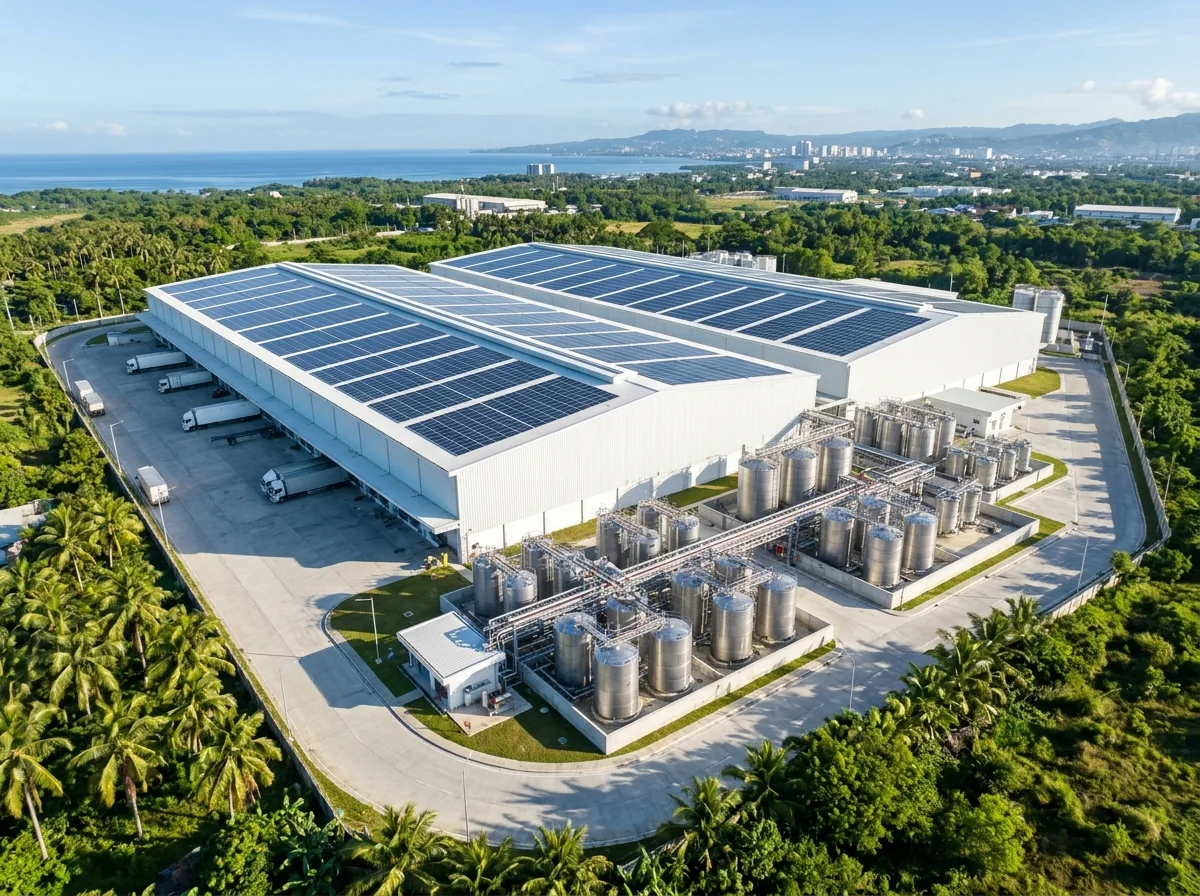
Solar for chemical manufacturing · Mandaue & Consolacion
Solar for Chemical & Paint Plants in Cebu. Engineered industrial C&I savings with strict electrical safety.
Industrial paint factories, industrial adhesive blenders, agricultural chemical formulators, and resin compounders along Cebu corridors run nonstop high-torque dispersion mixers, chillers, drum fillers, and hazardous ventilation fans during daytime shifts—turning commercial solar into rapid 3–5 year ROI.
- 50–500 kW+ 3-phase industrial scale
- 3–5 yrs typical payback period
- Schneider gear isolated safety routing
The problem
Why are 3-phase electricity tariffs eating plant margins at Cebu chemical & paint mixers?
Dispersion mixing shafts, jacketed reactor cooling water chillers, powder dust baghouses, automated can fillers, and laboratory quality-control chambers run continuously through humid Visayan mid-days—driving commercial utility expenses across VECO (~₱15.30/kWh) and CEBECO feeders high while volatile electricity pricing pressures wholesale margins across Cebu.
Chemical and architectural coatings production facilities clustered across Mandaue, Consolacion, Compostela, Naga, and Minglanilla blend batches heavily during clear daylight hours—typically operating massive main distribution panels running motors from 7:30 AM until 5:00 PM alongside cooled solvent-storage bays. Those intense continuous cooling and shaft horsepower peaks land straight beneath Cebu’s strongest unobstructed midday irradiation hours.
Safety matters as much as cost: wiring must stay out of hazardous vapor areas and tank farms, and every step follows the plant’s safety rules.
- High-horsepower paint dissolvers, ball mills & ribbon blenders
- Process cooling chillers, glycol heat exchangers & raw resin tank agitation
- Vapor extraction blowers, filter scrubbers & baghouse collectors
- Automated drum/gallon filling conveyors, shrink bundlers & air compressors
- QC spectrometry testing labs, SDS climate rooms & central administrative bays
How solar helps
How does CebuSolar isolate DC switchgear safely around chemical and coatings roofs?
Plant safety directors demand clean hazardous-zone separation: CebuSolar mounts inverters, combiners, and isolators strictly inside clean remote electrical switch rooms clear of volatile vapor vents—running rigid armored conduit across safe admin/finished-goods bay trusses with zero export feed and Schneider Electric protection throughout.
Zone-segregated zero-export grid-tied EPC
Connecting strictly inside dry non-classified main switchboards using fast 3-phase CT limits, grid-tied solar arrays offset heavy daytime mixers and cooling chillers with lower initial capex and zero heavy battery storage clutter inside industrial alleys.
Lab, BMS & batch controller hybrid protection
Sudden voltage drops can spoil a batch or stop automated weighing. A LiFePO4 battery circuit can keep lab instruments and batch computers running; plant safety systems stay on their own approved backup.
Clear bay & ground-mount capacity options
Install arrays atop finished-pallet packaging warehouses away from solvent vents—or place structured ground-mount solar arrays along cleared fenced estate boundaries completely detached from manufacturing roofs when purlins hold older corroded ribs.
System sizing
What solar capacity fits a Cebu paint factory or industrial chemical blender?
Sizing inspects full twelve-month kVA interval demand logs alongside zone classifications, transformer limits, mixer soft-starter amp draws, and clear finished-warehouse steel roof spans—spanning compact 6–18 kW testing-lab backups right up through large 50–500 kW+ industrial solar installations across Metro Cebu.
| Chemical Facility Scale | Representative Daytime Equipment | Suggested Capacity | Deployment & Price Structure |
|---|---|---|---|
| Small specialty compounding depot, QC lab & admin block | Lab mixers, spectrometers, hood fans, climate office cooling | 6 kW to 18 kW Hybrid (10–32 panels, 6.2–19.84 kW solar) | Fixed packages: ₱305,000–₱970,000 (5–16 kWh battery included) |
| Regional coatings plant or agricultural liquid blender | High-speed dispersers, batch chillers, rotary compressor, packing hall | 60–150 kW three-phase | Finished-warehouse zero-export grid-tie + QC UPS; custom quote |
| Large multi-warehouse chemical & industrial resin plant | Multiple chiller loops, continuous drum filling, bulk pump motors | 150–350 kW three-phase | 3-phase Solis EPC isolated into central MDP; custom quote |
| Major enterprise chemical manufacturing hub in Cebu | Round-the-clock process cooling, central automation & cold storage | 350–500 kW+ three-phase | Multi-roof + ground-mount commercial EPC; custom site-audit quote |
Estimates only. Hazardous-zone layout verification, purlin inspection, and fixed itemized pricing follow an on-site assessment. Actual savings depend on system size, usage schedule, location, and utility rates. Prices are subject to change without prior notice.
Cost and payback
What does chemical plant solar cost, and when does Cebu industrial payback land?
Lab/admin hybrid systems list transparently from ₱305,000 to ₱970,000 while full 50–500 kW+ process installations receive exact itemized engineering proposals after site inspection. Offsetting ₱15.30/kWh VECO and CEBECO commercial rates typically pays back in 3 to 5 years.
Benchmarked against Visayan Electric’s October 2026 schedule of ₱15.30/kWh alongside provincial CEBECO schedules, running industrial process pumps, ventilation motors, and cold warehouse rooms through direct daytime generation isolates plant unit production costs neatly from future fuel pass-through hikes. With battery-free three-phase grid-tied topology cutting initial capital where automated backup diesels already guard fire pumps, industrial paybacks land decisively.
CebuSolar specifies verified Tier-1 620–630 W N-type bifacial modules from JinkoSolar, JA Solar, Trina Solar, LONGi, and AIKO, Solis inverters, Schneider Electric and Suntree breakers/SPDs, Dyness or Pylontech LiFePO4 batteries, and stainless hardware. Test figures on our ROI calculator or inspect commercial cost guides (C&I pricing guide).
- Fixed turnkey contract pricing after structural & zone-safety audit
- Balanced commercial milestones: 40% order, 40% delivery & mount, 20% switch-on
- 1-year workmanship, 12-year inverter, and 30-year panel (at least 87% at yr 30) warranties
- Itemized quotes, electrical plans and datasheets for your accountant and permit
- We assist with municipal LGU electrical permits and utility zero-export documentation
How it works
How does CebuSolar execute industrial builds inside EH&S chemical zones safely?
Working from our Cebu City office at Mclin Building, Corner T. Padilla St. and M.J. Cuenco Ave., our crew follows your plant’s safety induction and hot-work rules, places switchgear in clean electrical rooms, and connects the system on a scheduled non-production day.
Free plant & hazard zone walk
We inspect twelve months of VECO or CEBECO billing alongside EHS leads to isolate clean packaging/finished-warehouse roofs far from process vents.
Safe conduit & fixed BOM
We map armored DC runs clear of overhead chemical racks, help with the LGU electrical permit, and lock fixed pricing.
Non-disruptive steel roof mount
Technical crew bolts anodized rails via cold mechanical clamps avoiding cutting sparks (install steps), timing brief MDP commissioning on Sunday downtime.
Cebu warranty & spares team
Plants run backed by remote monitoring plus stocked local spare components under our 1/12/30-year warranty commitment.
What do chemical & paint factory engineers ask before installing Cebu rooftop solar?
EHS compliance officers, plant directors, and maintenance engineers across Mandaue, Consolacion, Naga, and Minglanilla often ask about sparks during mounting, keeping equipment outside classified fume spaces, resistance to caustic/solvent air plumes, coordinating automated standby fire-pump gensets, and local maintenance routines.
Can CebuSolar keep panels, inverters, and wiring safely away from solvent vapor vents?
Yes. Our site surveys prioritize clean adjoining finished-product warehouses, pallet docks, or admin office slabs while routing heavy Solis inverters and Schneider isolators strictly inside clean electrical switchgear rooms away from active mixing vapor hoods.
Does solar installation involve welding or open sparks above paint and resin warehouses?
No. The rails are bolted with stainless hardware or seam clamps, with no welding or cutting on site, and we follow your hot-work permit rules (buyer’s guide).
How do roofs near mild chemical exhaust hold up against corrosion over decades?
Combining stainless fasteners, anodized frames, EPDM seals, and periodic cool freshwater washing keeps the glass clear and slows corrosion of the brackets (maintenance schedule).
Will emergency standby fire-pump generators and ATS switches work beside commercial solar?
Yes, if designed for it. We set up the connection so the solar disconnects when the grid fails and does not feed your generator. Fire-pump circuits stay on the supply your fire-safety design requires; we don’t connect solar to them.
Get your personalized solar quote
Tell us about your place, pin it on the map and add a photo of your bill. Our team replies on Viber within one business day.
- 1. We size your system from your bill and map your roof by satellite.
- 2. You get your quote: panels, battery, monthly savings, payback and price.
- 3. Happy with it? We check your roof and wiring on site, then lock in one fixed price.