- Home
- Candle & Wax Manufacturers
Paraffin & molding · Parish, retail & export lines
Solar for Candle & Wax Manufacturers in Cebu. Power chillers, wax melters, and packing lines.
Candle dipping workshops, automated votive press lines, paraffin slab chillers, and decorative export wax pourers across Cebu City, Mandaue, Consolacion, Carcar, and Talisay draw continuous daytime 3-phase power on ~₱15–₱16/kWh tariffs—reaching 3–5 yr ROI via commercial and hybrid solar.
- 6–300 kW+ pour shops to press plants
- 3–5 yrs typical payback period
- Inverters indoors away from wax vapor
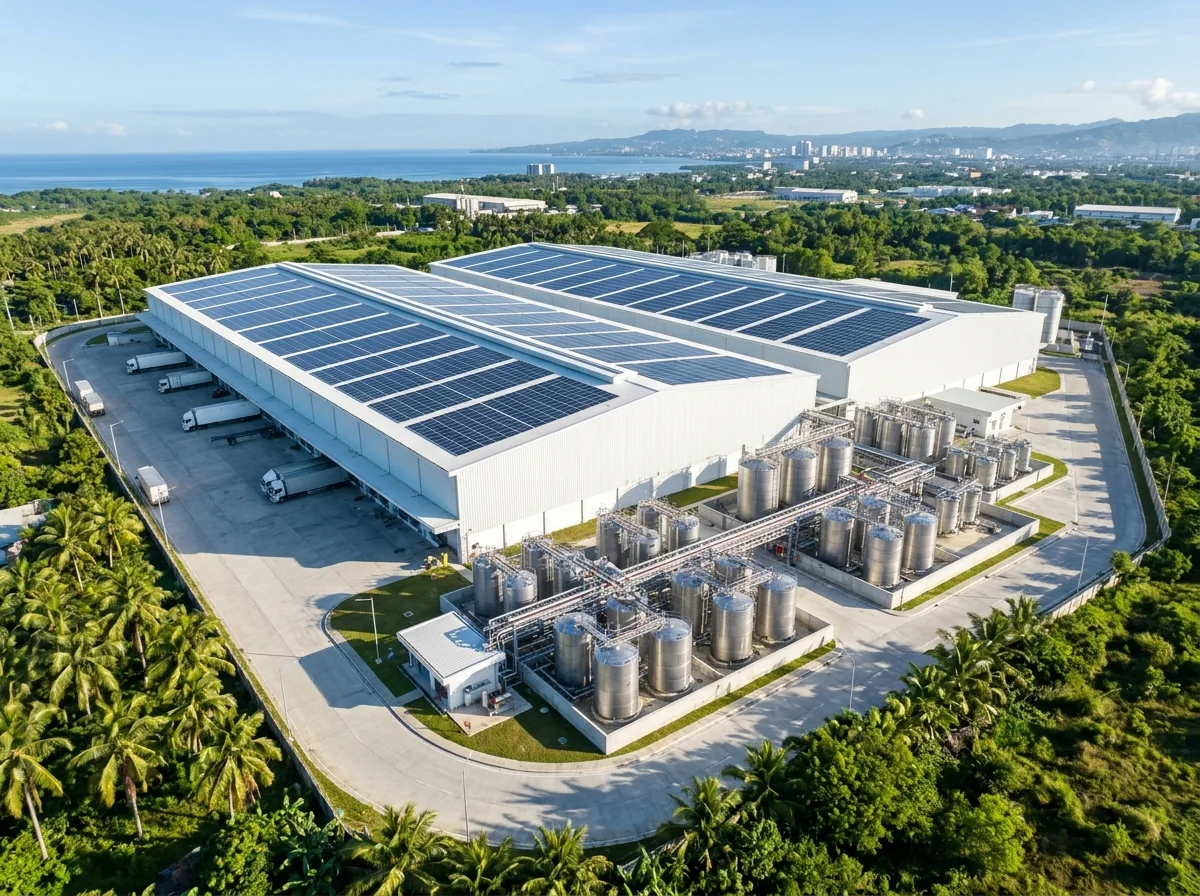
The energy squeeze
Why are chiller tanks and heated pouring lines draining Cebu chandlery margins?
Whether supplying millions of boxed red votive and taper vigil candles ahead of Kalag-Kalag across Cebu parishes, casting thick church altar pillars, or molding scented export soy blends, opposing melting and chilling loops drive relentless electricity costs during hot afternoons.
Inside industrial chandleries, electricity runs two opposing thermal loops simultaneously: insulated melting kettles and heated distribution manifolds maintain molten paraffin, stearic acid, and soy blends at stable pouring viscosity, while industrial water chillers, refrigerated cooling tunnels, and forced air-extraction fans aggressively freeze mold banks down for rapid demolding cycles. Add pneumatic rotary compression presses, cotton wick wax-coating drums, hydraulic trimmers, shrink-wrap heat tunnels, and humidity-controlled finished-stock vaults—all pulling peak three-phase power between 7:00 AM and 6:00 PM when sun glare heats factory roofs hottest.
Worse, brief grid brownouts halt refrigerated water-jacket circulation while wax sits liquid in nozzles, causing plugged heads and warped batch shrinkage.
- Industrial glycol/water chillers cooling multi-cavity taper & votive mold tables
- Electric pre-heat jacketed melting tanks, heated nozzles & agitator paddles
- Rotary powder-wax compression presses & automated dipping rack winches
- Compressed air blowers for mold ejection & automated cellophane wrappers
- Air-conditioned finished-candle storage preventing tropical heat softening
Clean solar design
How do solar panels lower refrigeration draw safely beside molten wax rooms?
Smart chandlery engineering keeps three-phase solar inverters, DC disconnect breakers, and Schneider distribution panels routed outside warm paraffin-vapor pouring bays inside cool corridors—harvesting free daytime sun electricity for heavy refrigeration chillers while maintaining crisp LiFePO4 battery reserve across finished stock rooms.
Daytime mold-chiller load matching
Peak Visayan afternoon sunshine coincides hourly with maximum tropical ambient heat—precisely when wax cooling towers and cold finished-goods storerooms draw peak compressor kW across VECO or co-op meters.
Dedicated cool-storage hybrid bridge
High-grade pillar and scented gift stocks warp above 30°C; isolating warehouse storeroom split coolers onto LiFePO4 battery storage helps protect stock from heat during feeder repairs.
Remote electrical bay safety
Inverter racks mount flush inside cool ventilated utility corridors exterior to kettle melting kitchens via sealed EMT conduit runs and rapid rooftop DC isolation switches.
Capacity sizing
What solar capacity suits an artisan chandlery vs. a full wax molding plant?
Small family taper makers benefit immediately from published fixed packages up to 18 kW, whereas high-volume molding facilities operating water chillers, pneumatic compressors, and multi-ton curing halls scale into three-phase zero-export C&I arrays matched directly to main panels.
| Chandlery Scale | Representative Equipment Load | Suggested Solar Tier | Package / Commercial Structure |
|---|---|---|---|
| Boutique soy/decorative candle atelier or showroom | Wax melters, heat guns, showcase AC, cooled stockroom split units | 6 kW to 10 kW Hybrid (10–16 panels) | Fixed 6–10 kW packages (₱305,000–₱520,000 with LiFePO4) |
| Small commercial taper & vigil dipping shop | 2–3 cooling water tanks, exhaust hoods, shrink wrappers, cooler vault | 12 kW to 18 kW Hybrid (22–32 panels) | Fixed 12–18 kW packages (₱615,000–₱970,000) |
| Mid-size parish votive factory & compression line | Water chillers, rotary wax presses, screw air compressors, AC warehouse | 40–100 kW Three-Phase Grid-Tie | Zero-export 3-phase MDP tie-in; custom commercial quote |
| Export industrial wax refiner & multi-shift molding plant | Centralized chilling plant, multiple heated jackets, packaging automation | 120–300 kW+ Three-Phase C&I | High-efficiency roof array cutting baseload; custom quote |
Estimates only. Electrical subpanel surveys, kettle heat-clearance routing, and finalized itemized BOM prices follow an inspection. Actual savings depend on occupancy, size, location, and rates. Prices are subject to change without prior notice.
Investment & ROI
What does solar cost for a Cebu candle plant, and what ROI can owners expect?
Small family ateliers choose transparent published fixed packages ranging from ₱305,000 up to ₱970,000 without hidden fees—while automated chiller-heavy molding plants lock itemized commercial bills of materials matching ~₱15–₱16/kWh utility schedules, typically paying off within 3 to 5 years.
Calibrated strictly against VECO’s October 2026 schedule of ₱15.30/kWh, MECO (~₱15.98/kWh), and provincial CEBECO schedules (~₱15.08–₱15.91/kWh September 2026), cutting daytime compression chiller consumption reduces cost per carton year-round, especially ahead of peak pre-holiday October production runs (manufacturing payback study).
Every installation includes Tier-1 620–630 W N-type bifacial modules (JinkoSolar, JA Solar, Trina Solar, LONGi, AIKO), Solis inverters, Dyness/Pylontech batteries, Schneider protection, and stainless steel mounts (C&I cost overview).
- Lower electric utility charges when matching daytime production
- Warranties: 1-year workmanship, 12-year inverter, and 30-year panel (at least 87% at yr 30)
- Standard terms: 40% order, 40% equipment delivery & mounting, 20% switch-on
- Metro Cebu service: we aim to reach you within 48 hours
- Electrical plans and help with the LGU permit and utility paperwork
How we work
How does CebuSolar build over wax plants safely around production?
Operating out of Mclin Building, Corner T. Padilla St. and M.J. Cuenco Ave. in Cebu City, our field team inspects warehouse steel structures, identifies cool dry exterior corridors for inverter mounting away from pouring steam, and commissions power without disrupting mold runs.
Plant energy audit
We inspect past 12-month utility bills alongside chiller nameplate ratings, roof purlin gauge, and ventilation clearances above warm kettle rooms.
Safe corridor electrical layout
Our plans route solar home-run wiring outside waxy exhaust stacks directly into cool breaker rooms via gasketed Schneider switchboards (structural mounting spec).
Rapid non-stop roof install
Mounting brackets bolt above active molding bays with zero sparks near pouring floors (installation steps), coupling AC output over Sunday pauses.
Live yield tracking & cleaning
SolisCloud reports clear kWh offsets per shift while seasonal rain and occasional clean-water washes keep panels harvesting year after year.
Common Cebu candle & wax plant owner solar questions
Chandlery directors across Cebu City, Mandaue, Consolacion, Talisay, and Carcar often inquire whether seasonal Kalag-Kalag production surges distort system sizing, whether rising paraffin vapor soils glass surfaces, whether air-conditioned finished storage runs safely during brownouts, and how easily yard crews wash panels clean.
Our plant volume peaks heavily every August–October for Kalag-Kalag—how do we size solar smartly?
Rather than oversizing strictly for two seasonal peak months, we size your grid-tie array comfortably underneath steady baseline January–July load—maximizing year-round self-consumption while trimming peak autumn bills sharply (sizing methodology).
Can rising warm wax vapor or kettle exhaust coat solar modules if chimneys sit nearby?
Our roof survey maps prevailing wind direction and maps array setbacks gracefully clear of kettle exhaust cowls; glass panels adjacent to warm vents clean easily during scheduled routine mild washes.
Is a hybrid solar battery system strong enough to keep finished candle cold rooms running overnight?
It can carry it for a set number of hours. Putting the storeroom aircon on a backup circuit with a LiFePO4 battery (5–64 kWh) keeps it running through an evening outage; we size the battery to that aircon and the hours you need.
Will rooftop mounting add sparks or heat hazards above stored cardboard shipping boxes?
No—non-welded mechanical stainless steel aluminum clamps bolt without cutting torches into top roof sheet ribs, actually cutting ceiling heat transfer inside cardboard packing lofts.
Get your personalized solar quote
Tell us about your place, pin it on the map and add a photo of your bill. Our team replies on Viber within one business day.
- 1. We size your system from your bill and map your roof by satellite.
- 2. You get your quote: panels, battery, monthly savings, payback and price.
- 3. Happy with it? We check your roof and wiring on site, then lock in one fixed price.